How to Build Your Own List of Aesthetic Clinics in the UK
Finding the right clinic for aesthetic treatments is not as simple as typing a few words into a search bar. With the number of clinics offering everything from anti-wrinkle injections to HydraFacial treatments growing every year, knowing where to start can feel overwhelming. I have spent years working in the aesthetics industry and have learned that a good list of aesthetic clinics is not just a collection of names. It is a tool for making safe, informed decisions about your skin and overall health.
The UK has a thriving aesthetic medicine scene. From high-street beauty salons to private clinics run by doctors and nurses, there is a wide range of providers. But that variety also brings challenges. Regulation in the aesthetics sector is not as strict as many people assume. Anyone can buy a machine and set up a room offering laser hair removal or chemical peels. That is why building your own list of aesthetic clinics, based on clear criteria, is one of the smartest steps you can take before booking a consultation.
What Makes a Good Aesthetic Clinic
Not every clinic is the same. A medical spa might offer Botox and dermal fillers alongside massage therapy, while a beauty salon might focus on skin peels and microdermabrasion. Both can be excellent, but they serve different needs. When I help friends or clients start their search, I always tell them to think about what they actually want. Are you looking for anti-wrinkle injections or a more advanced PRP treatment? The answer will shape your list.
Once you know your goal, the next step is to look at qualifications. In the UK, anyone can perform treatments like chemical peels or IPL with minimal training. But for injectables like Botox and dermal fillers, you want a prescriber who is a nurse, doctor, or dentist. Many clinics now list their staff qualifications online. If they do not, ask during the consultation. A reputable clinic will be happy to share that information.
Practical Factors to Include on Your List
When you are compiling your personal list of aesthetic clinics, consider these practical points. Location matters because many treatments require multiple sessions. Laser hair removal, for example, usually needs six to eight appointments spaced a few weeks apart. A clinic that is too far from home or work might mean you skip sessions. Similarly, check the clinic's opening hours. Some private clinics operate standard office hours, while others offer evening or weekend slots.
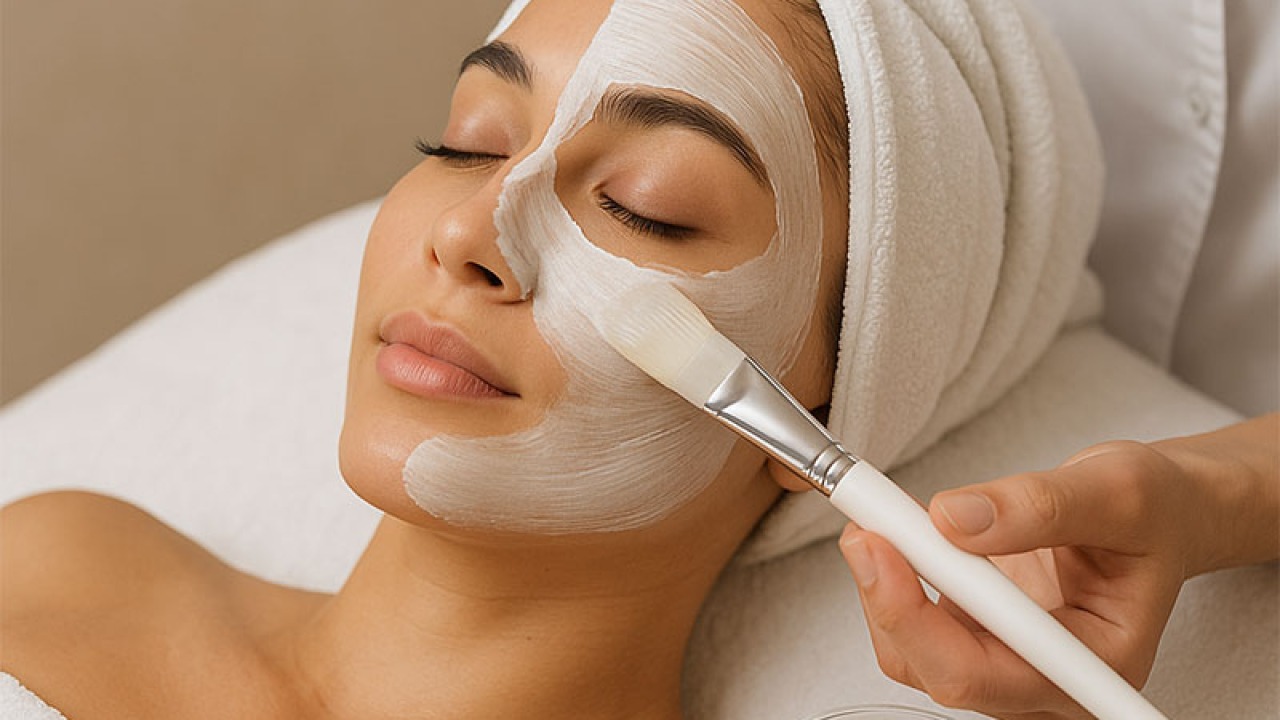
Another factor is the range of services. A clinic that offers both Botox and HydraFacial might be useful if you want to combine treatments. But a specialist clinic that only does mesotherapy or PRP treatment might have deeper expertise in that one area. There is no right or wrong here. It depends on your priorities.
Beware of the Cheapest Options
Price is always a consideration, but in aesthetic medicine, cheap can be dangerous. I have seen clinics offering anti-wrinkle injections for a fraction of the market rate. Often, those prices come from using diluted products or staff with very little training. A proper consultation should always happen before any treatment. If a clinic rushes you into booking without discussing your medical history or skin type, that is a red flag.
On the other hand, the most expensive clinic is not always the best. Some high-end medical spas charge a premium for the ambiance rather than the quality of the treatment. The key is to find a balance. A well-regarded private clinic with experienced staff and good reviews is usually a safer bet than either the cheapest option or the most luxurious.
How to Use Online Directories
Online directories can be a useful starting point. A site like aestheticdirectory.co.uk, for example, lists verified aesthetic clinics, beauty salons, and medical skincare providers across the UK. It can help you see what is available in your area and compare services like CACI treatments, dermal fillers, and massage therapy. But remember, a directory is just a list. You still need to do your own checks. Look at the clinic's website, read independent reviews, and if possible, visit the clinic before committing to a treatment.
When I use a directory to build my own list of aesthetic clinics, I always cross-reference with other sources. Social media pages, Google reviews, and forums where real patients share their experiences can give you a fuller picture. Some clinics have excellent marketing but poor follow-up care. Others have a small online presence but a loyal local clientele. The more information you gather, the better your decision will be.

Treatments to Look For
The range of treatments available in modern aesthetic clinics is broad. Here are some common ones you might encounter:
- Botox and anti-wrinkle injections for reducing fine lines
- Dermal fillers for restoring volume in cheeks and lips
- IPL and laser hair removal for long-term hair reduction
- Chemical peels and microdermabrasion for skin resurfacing
- HydraFacial and mesotherapy for deep hydration and rejuvenation
Each treatment has its own risks and benefits. For example, PRP treatment, also known as the vampire facial, uses your own blood platelets to stimulate collagen. It has a good safety record but requires multiple sessions. CACI treatments use microcurrent to lift and tone facial muscles. They are non-invasive but results vary from person to person. A good clinic will explain these differences during your consultation and help you choose what suits your skin.
Regulation and Safety in the UK
The UK government has been moving toward tighter regulation of aesthetic medicine for years, but the rules are still patchy. Some treatments, like Botox and dermal fillers, are regulated under medicines legislation. Others, like chemical peels and microdermabrasion, are not. That means the onus is on you to check that the clinic follows good hygiene practices, uses sterile equipment, and has appropriate insurance.
During my time in the industry, I have noticed that clinics registered with the Care Quality Commission (CQC) tend to have higher standards. Not all aesthetic clinics need CQC registration, but those that offer injectable treatments usually do. If a clinic is not CQC registered, ask why. There may be a legitimate reason, but it is worth understanding the difference.
Final Thoughts
Building your own list of aesthetic clinics is not a one-time task. As your needs change, your list should evolve too. Maybe you start with HydraFacial and later decide to try mesotherapy. Or perhaps you want to add PRP treatment to your skincare routine. Having a curated list of trustworthy clinics makes it easier to explore new options safely.
The most important thing is to take your time. A good list of aesthetic clinics is built on research, not impulse. Speak to the clinic, ask questions, and trust your instincts. If something feels off, move on. There are plenty of excellent providers in the UK, from beauty salons to medical spas, and with a little effort, you can find the right one for you.